|

|
Clifford Nwaeburu
DKFZ Alum
Moderator
|
Senior Drug Safety Manager at Miltenyi Biomedicine in Munich
DKFZ PhD Student 2014 - 2016
DKFZ Major in Cancer Biology 2011 – 2013
|
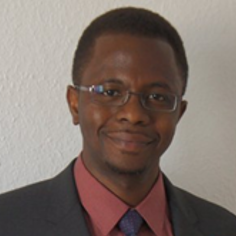 |
Mohammed Abba
DKFZ Alum
Panelist
|
Dr. Abba is a physician-scientist with extensive work in translational oncology, particularly molecular mechanisms of cancer progression, metastasis, microRNAs, colorectal cancer, and precision oncology. His publications focus on how molecular pathways regulate tumor development and metastasis
|

|
Ezekiel Femi Adebiyi
DKFZ Researcher
Panelist
|
Prof. Adebiyi is one of Africa's leading bioinformaticians. His work spans computational biology, malaria, genomics, ML, AI, population genetics, human genetic diseases like microsatellite instability cancer and children epilepsy and health data science. He has also helped build major African bioinformatics networks and capacity-building
|

|
Ofure Obazee
DKFZ Alum
Panelist
|
Dr. Obazee trained in genomic epidemiology and cancer susceptibility research, contributing significantly to pancreatic cancer genetics, before moving into digital transformation and AI enablement within industry. Her work bridges epidemiology, genomics, data analytics, and implementation science.
DKFZ Postdoctoral Researcher2014 - 2018
|

|
Bismarck Dinko
Kwame Nkrumah University of Science and Technology Ghana
Panelist
|
Dr. Dinko studied biology (2006) at the Kwame Nkrumah University of Science and Technology (KNUST), Kumasi, Ghana and did his PhD (2013) on Plasmodium falciparum gametocyte immunity at the London School of Hygiene and Tropical Medicine (LSHTM) in London, UK. After 9.5 years of experience as a group leader and faculty at the University of Health and Allied Sciences (UHAS) in Ho, Ghana, he is now Senior Lecturer and Group Leader at KNUST in Kumasi, Ghana since January 2023 and is interested in the biology and immunology of malaria parasite stages responsible for person-to-person transmission via mosquitoes (gametocytes). He is currently a visiting Professor at the Centre for Integrative Infectious Diseases, Parasitology at the Heidelberg University Hospital, Heidelberg, Germany.
|